Women’s Football in YA and Adult Fiction: A Brief Study
- Nell D
- Aug 10, 2025
- 4 min read

Over the past three decades, women’s football has evolved from a near-absence in English-language fiction to a steadily expanding subgenre, particularly in Young Adult (YA), New Adult, and Adult works. Once largely confined to children’s literature, the sport now appears in a growing number of novels that weave football into narratives of identity, romance, ambition, and resilience. This shift reflects broader cultural changes: the increasing visibility of women’s football globally, the rise of the FIFA Women’s World Cup, and the growing demand for more inclusive and representative storytelling.
Within my wider list of books about women's football available in English, 59 titles are listed as fiction for Young Adults or Adults, dating back to 1992.
The Rise of Football Fiction

The dataset reveals a remarkable surge in soccer fiction during the 21st century, with the vast majority of titles (95%) published after 2000. This boom coincides with soccer's growing popularity in traditionally non-soccer nations like the United States, where many of these stories are set. The peak production years appear to be in the 2020s, suggesting that soccer fiction is experiencing a golden age.
Particularly notable is the dominance of contemporary settings, with 85% of books taking place in modern times. This contemporary focus allows authors to tackle current social issues while using soccer as a lens through which to examine modern life, relationships, and cultural tensions.
Genre Diversity and Target Audiences
The genre breakdown reveals soccer fiction's broad appeal across age groups and literary categories:
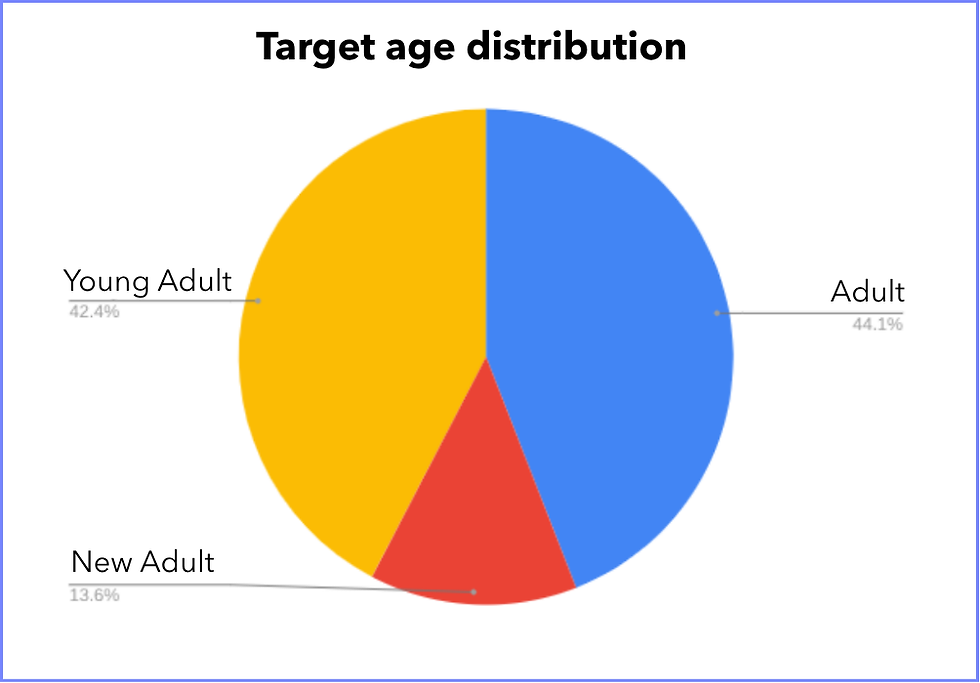
Young Adult Fiction represents 42% of titles, reflecting soccer's popularity among younger readers and the sport's natural fit with coming-of-age narratives. These stories often explore themes of identity, family expectations, and pursuing dreams against obstacles.
Adult Contemporary Romance represents 35% of the dataset, indicating a strong market for soccer-themed romantic fiction. These novels frequently feature professional athletes, coaches, and sports journalists as protagonists.
New Adult Fiction accounts for 15% of titles, targeting the college-age demographic with stories that often blend sports, romance, and career aspirations.
LGBTQ+ Representation: Breaking Barriers On and Off the Pitch
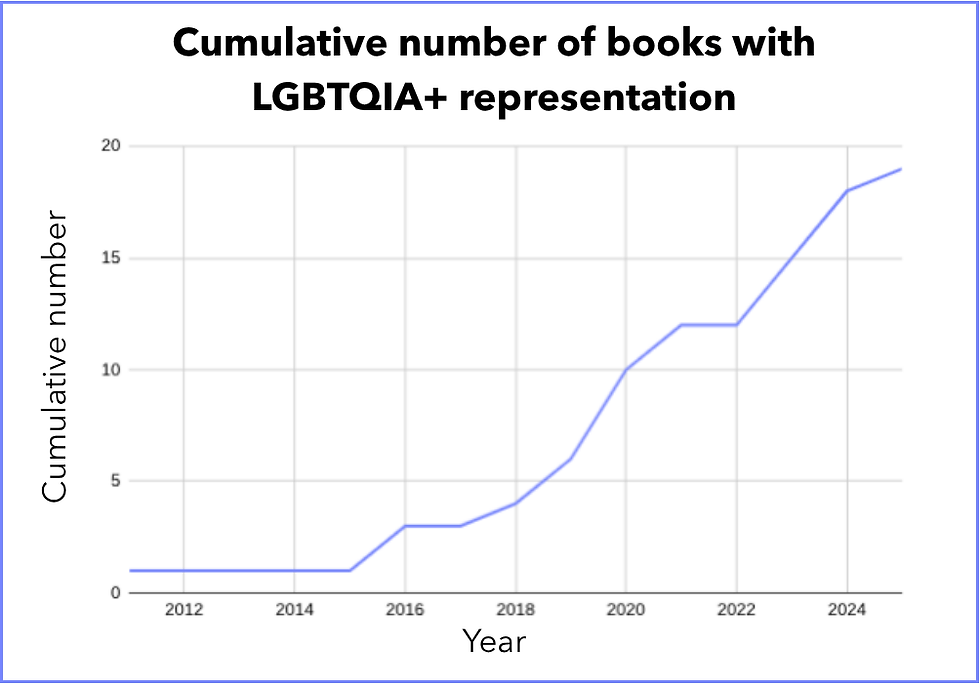
One of the most striking aspects of modern soccer fiction is its embrace of LGBTQ+ themes. Nearly 30% of the books feature LGBTQ+ main characters, with lesbian relationships being particularly well-represented. This is significant given soccer's historically masculine, heteronormative culture in many regions.
Notable examples include Clare Lydon's "Hotshot" and "The Princess Match", and Meryl Wilsner's "Cleat Cute," which explores fame and vulnerability in queer sports romance. This representation extends beyond romance to address authenticity, coming out in sports environments, and challenging traditional gender roles in athletics.
Diversity Beyond Sexuality
While LGBTQ+ narratives dominate, other forms of diversity appear more sporadically. Some works feature Latinx, Black, or multicultural protagonists, and there is growing attention to disability, neurodivergence, and chronic illness. Notable examples include Only When It’s Us (deaf protagonist) and Our Last Hope (autistic main character). However, racial and cultural diversity remains inconsistent across the dataset, indicating room for more intersectional storytelling.
Series vs. Standalone Works
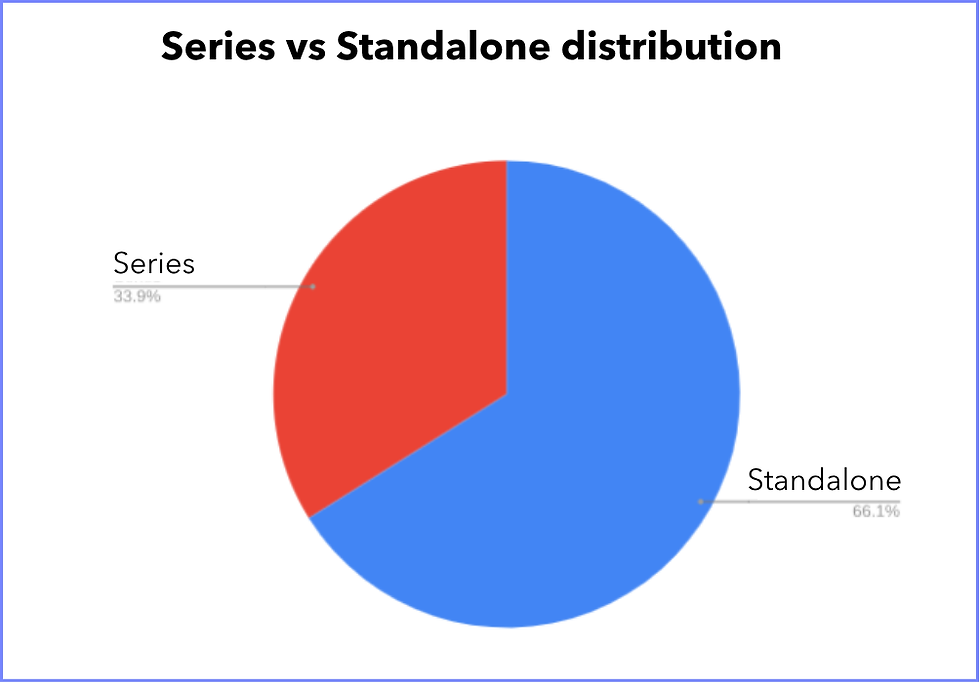
The data shows an interesting split between standalone novels (64%) and series (34%). Series tend to focus on either:
Character-focused collections like the "Counterattack" series, where each book follows a different character
Relationship continuations like Kate Christie's "Girls of Summer" series, which follows the same characters through their professional and personal lives
This approach allows authors to either explore diverse perspectives within a soccer community or develop deep, long-term character arcs that span multiple books.
Contemporary Romance Dominance
The prominence of romance in soccer fiction deserves special attention. These stories often use the sport as more than just background, incorporating soccer culture, team dynamics, and the pressures of professional athletics into romantic narratives. Common tropes include:
Enemies to lovers between rival team members or coaches
Workplace romance in sports organizations
Second chances often tied to career comebacks or injury recovery
Fake dating scenarios for public relations purposes
Realism as a Defining Aesthetic
The vast majority of these works are grounded in realism. Whether set in high schools, universities, semi-professional clubs, or Olympic training camps, the sport is depicted with authenticity and respect. This preference for realism reflects a cultural shift: women’s football is increasingly portrayed as a legitimate and meaningful pursuit, rather than a novelty or metaphor.
Geographical Setting: A US-Centric Landscape
The majority of women’s football fiction in this dataset is set in the United States, reflecting both the strength of the sport at the collegiate and professional levels in North America and the dominance of US authors in the English-language market. High school and college teams often serve as primary settings, particularly in YA fiction, where the structure of US school sports programs provides a built-in narrative framework for competition, camaraderie, and personal growth.
While there are notable exceptions, such as Bend It Like Beckham in the UK or works set in Australia, international settings remain comparatively rare. This US-centric focus may limit the global breadth of cultural perspectives within the genre, even as the sport itself thrives worldwide. Expanding geographical diversity could not only enrich storylines but also reflect the truly international scope of women’s football.
Conclusion
Women’s football in YA and Adult English-language fiction has transformed from a literary rarity to a rich and evolving narrative space. It has become a platform for LGBTQ+ voices, a site for exploring realism and representation, and a vehicle for telling stories of ambition, authenticity, and empowerment.
As the genre continues to expand, both in volume and diversity, hopefully its literary legacy will reflect the same values driving change on the pitch: visibility, equality, and the power of representation.
Comments