Kicking Through History: Historical Fiction About Women's Football
- Nell D
- Sep 29, 2025
- 3 min read

For decades, the achievements of early women footballers were erased from official records and cultural memory. The Dick, Kerr Ladies played to massive crowds, toured internationally, and inspired thousands of women and girls. Their 1921 ban wasn't overturned until 1971, robbing two generations of players and fans.
Historical fiction breathes life into these silenced voices. It allows readers, especially young ones, to see themselves in the women who refused to stop playing, even when it cost them everything. These novels also reveal patterns: the same arguments used to exclude women in 1921 ("football is unsuitable for females") echo through decades of resistance to women's sport.
The Dick, Kerr Ladies: A Story Worth Retelling
Several authors have turned to the legendary Dick, Kerr Ladies as their subject, and for good reason. This factory team from Preston, England, drew crowds of up to 53,000 spectators during and after World War I, before the Football Association banned women from playing on league grounds in 1921, effectively silencing the sport for fifty years.
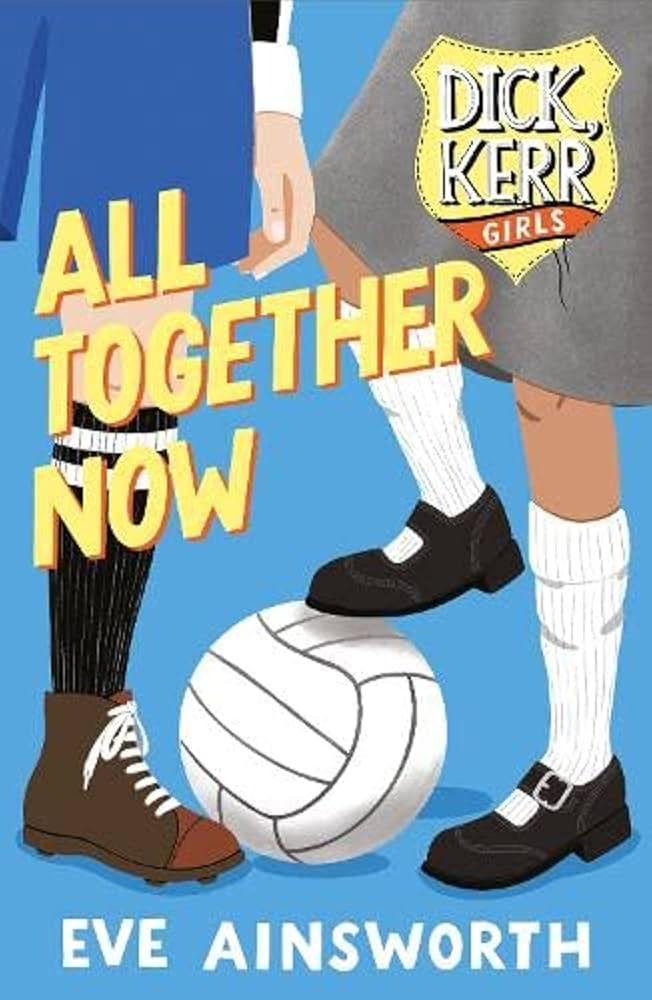
Eve Ainsworth has created a trilogy exploring this era:
All Together Now: Dick, Kerr Girls (set in 1920) follows Martha as she joins the team while grappling with family struggles and the looming threat to women's football
Kicking Off: Dick, Kerr Girls (set in 1917) introduces Hettie, a shy factory worker who discovers the team
The Perfect Shot: Dick, Kerr Girls (post-WWI) continues the story as the women fight to preserve their sporting dreams
Ainsworth's novels are notable for their emotional depth, tackling not just the football itself but the personal stakes: identity, ambition, and the fear of losing something you've only just found. These books are aimed at middle-grade readers but deal with genuinely feminist themes.

Rebecca Stevens takes a slightly different approach in Lily and the Rockets, where young Lily joins a munitions factory football team and even disguises herself to play for Tottenham. Inspired by the real-life Lily Parr (one of the greatest players in history), Stevens weaves together wartime London, sporting ambition, and the audacity required to break gender barriers.
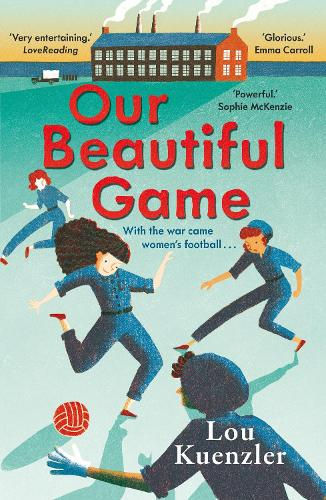
Lou Kuenzler's Our Beautiful Game also draws from this period, following Polly who works in a munitions factory during WWI and dreams of playing football like her heroes.
Beyond the Factory Gates

Not all historical football fiction focuses on the Dick, Kerr era. Kate Christie's Beautiful Game, set in early 1990s Southern California, explores a college soccer player navigating identity, ambition, and queer love, a reminder that even in recent decades, women in sport have faced complex pressures around visibility and acceptance.

Iva-Marie Palmer's Gimme Everything You Got (set in 1979) follows Susan as she joins her school's first girls' soccer team. This feminist YA Aramaic blends Title IX history with sharp wit, capturing when institutional barriers began to fall but cultural resistance remained fierce.
Graphic Storytelling and Time Travel

Anna Trench's Florrie uses the graphic novel format to uncover hidden history through discovered letters and photographs. Set in the early 20th century, it's a tender story of queer love, friendship, and resilience against the backdrop of the FA's 1921 ban. The visual medium allows Trench to capture both intimacy and historical scope in ways prose sometimes cannot.
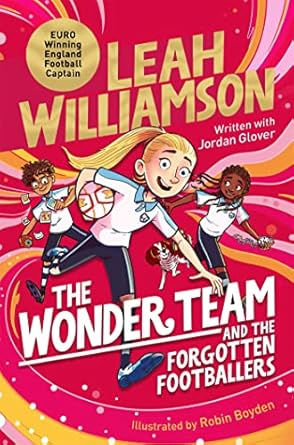
For younger readers interested in history, Leah Williamson's Wonder Team series includes The Forgotten Footballers, where characters time-travel back to 1921 to meet the banned Dick, Kerr Ladies. It's a clever way to introduce children to real history through adventure and mystery. (Find more books about Leah Williamson here)
For Readers and Educators
Whether you're a teacher looking for engaging historical content, a parent seeking empowering stories, or simply a reader who loves football and social history, these titles offer entry points into a rich, often overlooked past. They work well for classroom discussion about gender, labor history, and the power of collective action.
The historical fiction about women's football isn't just about the game, it's about who gets to play, who gets remembered, and what happens when women refuse to stay on the sidelines of history.
Want to discover more women's soccer books? Visit the main list here.
Comments