Review | Florrie by Anna Trench
- Nell D
- Aug 10, 2025
- 2 min read

Updated: Aug 23, 2025
Anna Trench’s Florrie is a quietly powerful debut graphic novel, told in black and white but bursting with emotional and narrative colour. Using a nostalgic drawing style, Trench delicately unpacks themes of grief, identity, and love across time. The story is framed through a contemporary grandchild who discovers a box of Great Aunt Florence’s possessions in the attic, an entry point that transports the reader into a nuanced work of historical fiction.
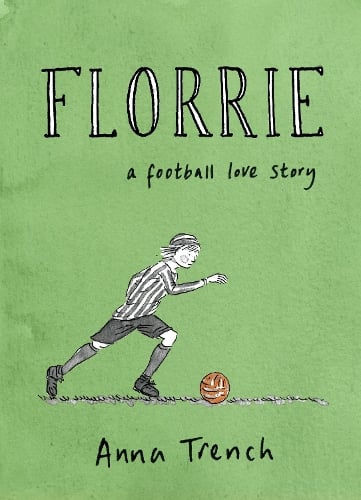
Set in the aftermath of World War I, Florrie centres on its titular character as she mourns the loss of both her mother and her brother, the latter killed in action. It’s in this period of mourning that she stumbles (or more accurately, runs) into the world of women's football, finding unexpected joy and purpose. The sport becomes a lifeline, a space of growth, and ultimately a stage for love when she meets and falls for a player from a French team during an away match. The novel’s emotional core deepens as Florrie is forced to navigate not only a long-distance, forbidden romance, but also the 1921 ban on women’s football in England.
Trench’s illustrations bring postwar life to the page with gentle authenticity. The layout is especially effective in guiding the reader’s emotional journey. Trench varies her panel design fluidly: open, spacious arrangements give space for intimacy; full-width panels with minimal dialogue capture solitude and physical release; and the kinetic layout of football scenes buzz with activity and learning. The result is a graphic novel where visual structure and story rhythm are intimately intertwined.
One of the book’s most distinctive features is its love of literature. Florrie, her father, and younger brother, surrounded by antiquarian books, are frequently shown reading, and these literary references become reflective mirrors for their personalities. Florrie’s father exudes a quiet grief that recalls the moral gravity of Wilfred Owen or Vera Brittain, while her brother’s wit and charm suggest the mischievous grace of Saki or Wodehouse. As for Florrie herself, her restless intellect and aching for meaning evoke the interior landscapes of Woolf, Forster, and Flaubert.
Florrie is an ambitious and tender work. Through understated visuals and emotionally rich storytelling, Anna Trench offers a meditation on loss, resilience, and the defiant joy of finding connection: in sport, in love, and in the stories we pass down. It is a compelling debut that signals the arrival of a remarkable new voice in graphic fiction.
Comments